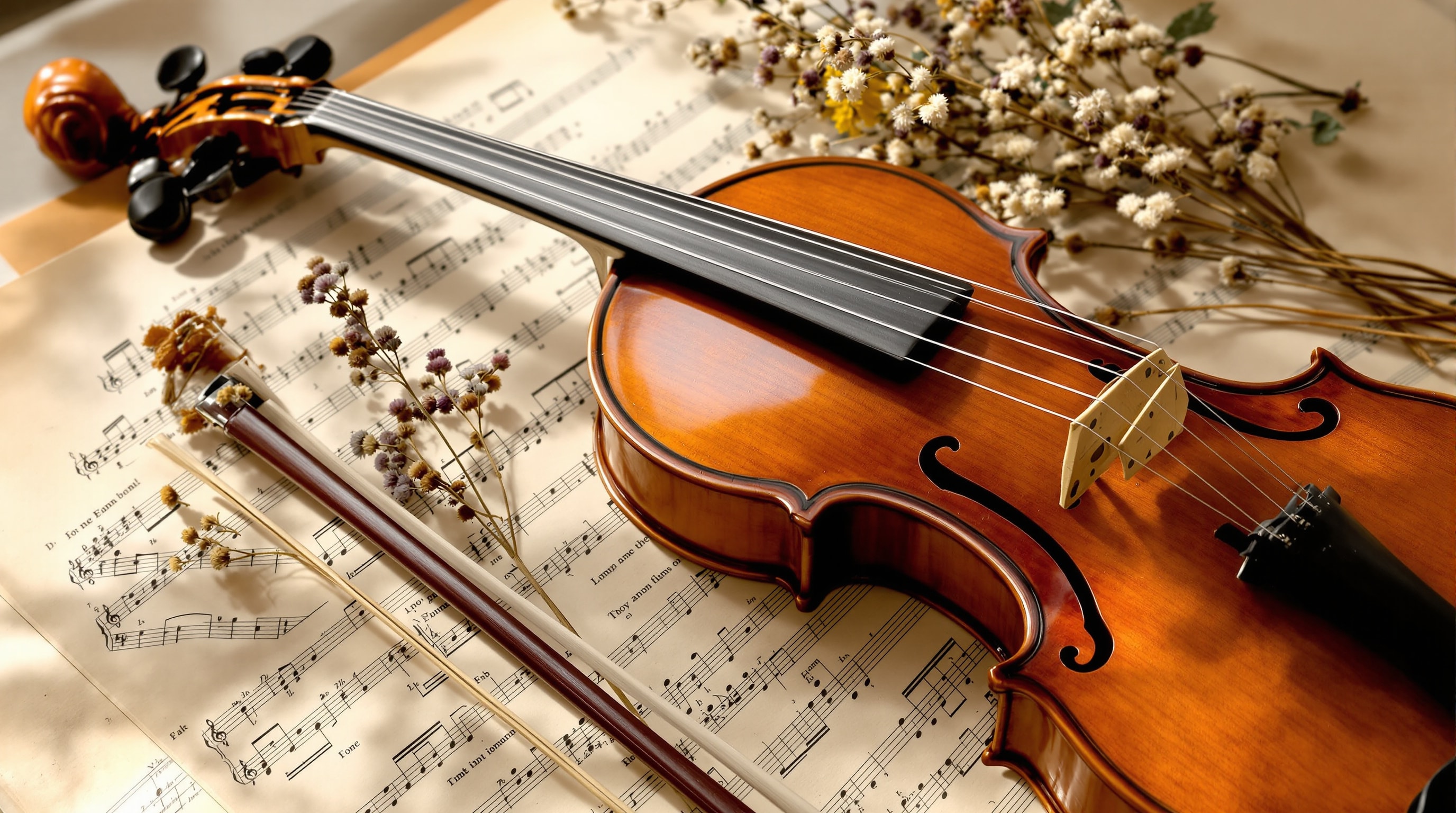
The Violin in Folk and Classical Music
The violin is the great border-crosser of music. The same instrument that fills a village dance also carries the loftiest concerto, and nowhere is that double life more vivid than in the meeting of Gypsy tradition and the European classical canon.
One Instrument, Two Worlds
A violin does not know whether it is playing a barn dance or a symphony. Its extraordinary range of expression — from a whisper to a wail, from delicate ornament to ferocious attack — makes it equally at home in the folk band and the concert hall. What changes is the tradition the player belongs to, the way the music is learned, and the freedoms the style allows.
In the classical world the violinist serves a written score with disciplined fidelity. In the Gypsy world the violinist elaborates a remembered melody with personal ornament. The instrument is the same; the relationship to the music is opposite. And for centuries, players and composers have delighted in moving between the two.
How Folk Fed the Classical
The traffic has always run both ways, but the folk-to-classical current is especially strong. Nineteenth-century composers, hungry for national colour and expressive freedom, listened closely to Gypsy bands and wove what they heard into concert music. The Hungarian Rhapsodies and Dances of Liszt and Brahms are the celebrated examples, but the influence runs through much of Romantic music: the rubato, the ornamented slow melody, the sudden accelerations.
Even the cult of the virtuoso — the dazzling soloist who astonishes an audience — owes a debt to the tradition of the Gypsy primás, whose whole art is public, personal display. When a concert violinist bends a phrase for expressive effect, they are drawing, however distantly, on a folk instinct the classical tradition once absorbed.
How the Classical Fed the Folk
The return current matters too. Gypsy orchestras took the waltzes, polkas and operatic melodies of the concert world and made them their own, playing them with an energy and freedom that sent them back to audiences transformed. The café orchestra was, in its day, a kind of popular concert hall, translating high music into something immediate and danceable.
This constant exchange kept both traditions alive. The classical canon gained colour and passion; the folk tradition gained repertoire and prestige. The hundred-violin orchestra, playing Liszt one moment and a village csárdás the next, is the living monument to that exchange.
The Virtuoso Between Worlds
Some of history's most famous violinists have lived consciously between these two worlds, prizing the freedom of the folk style even as they commanded the classical stage. The nineteenth-century fascination with the "Gypsy" manner of playing — its fire, its rubato, its air of danger and spontaneity — shaped how audiences imagined the ideal violinist, and echoes of it survive in every soloist who plays a slow movement with expressive freedom rather than metronomic strictness.
The hundred-violin orchestra keeps that ideal alive at grand scale. When its lead violinist bends a phrase and the massed strings answer, you are hearing the folk and the classical not as opposites but as two dialects of a single language — a language the violin, above all instruments, was born to speak.
Learning to Hear Both
Once you know that a single melody can belong to both worlds, you start to hear music differently. A slow Gypsy lament and a Romantic adagio suddenly rhyme; a fast csárdás and a symphonic finale share the same electric acceleration. Institutions like the Met's musical-instruments collection and the great sound archives let you trace these family resemblances across centuries and countries.
The violin, in the end, is proof that the line between "folk" and "classical" is far thinner than we pretend. To follow the thread further, read about the cimbalom's own double life or return to the home page.