The Cimbalom
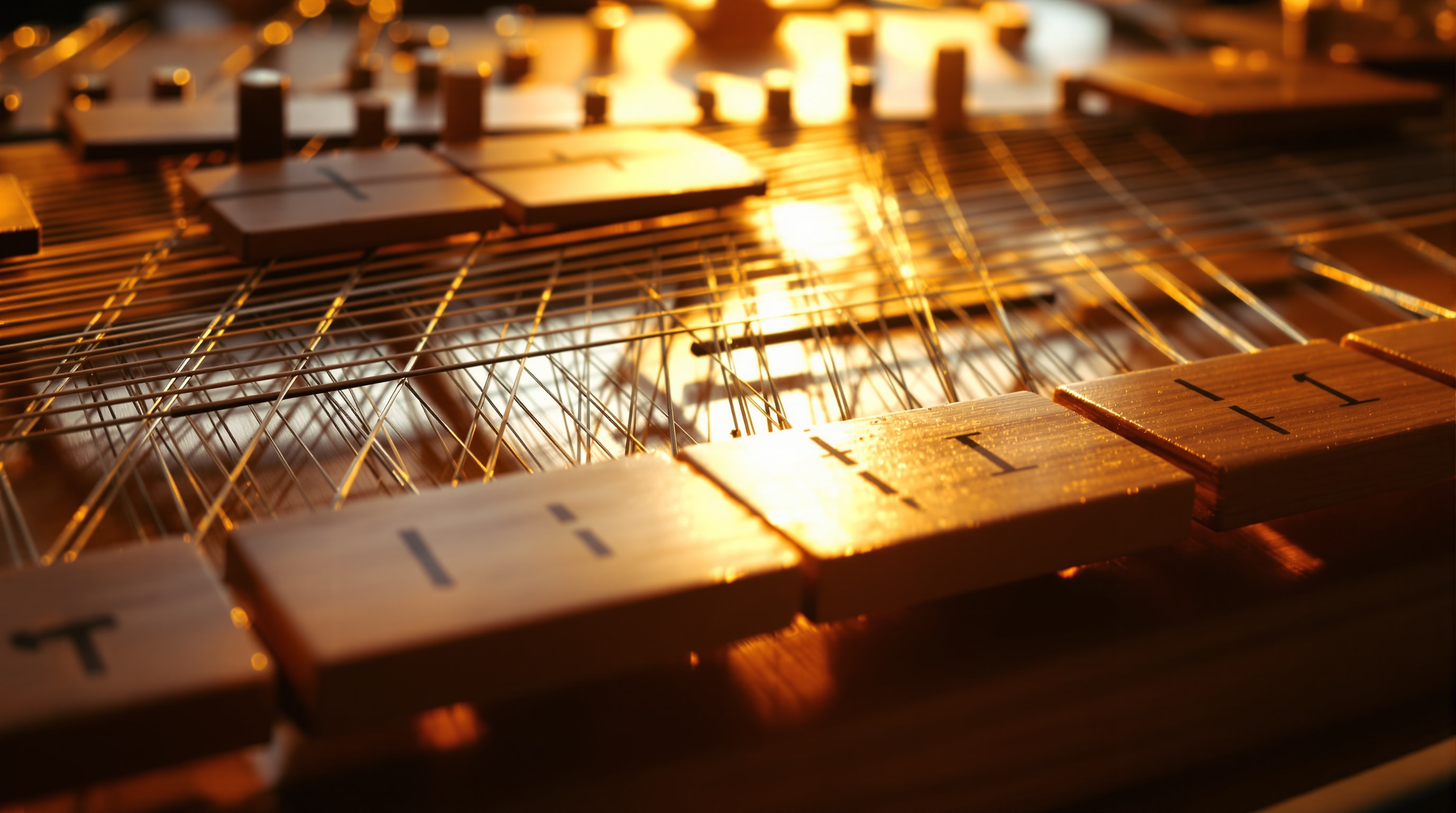
If the violins are the voice of the Gypsy orchestra, the cimbalom is its glittering soul. A large trapezoidal box strung with dozens of courses of metal strings and struck with soft or hard beaters, it produces a sound that hovers somewhere between a harp, a piano and a shower of light.
What the Cimbalom Is
The cimbalom is a concert hammered dulcimer that reached its modern form in Budapest in the second half of the nineteenth century, when a system of dampers operated by a foot pedal was added. That innovation turned a folk instrument into a full concert instrument capable of clean, controlled playing, and it is the version that anchors the Gypsy symphony orchestra today. Encyclopaedia Britannica traces its development within the wider family of dulcimers found across Europe and Asia.
Physically it is a substantial piece of furniture: a heavy trapezoidal soundbox on legs, its many courses of strings crossing over bridges so that a single beater-stroke can set several strings ringing at once. The player sits before it and strikes the strings with two beaters, damping and sustaining with the pedal.
How It Sounds and How It's Played
The cimbalom's signature gesture is the tremolo — a blur of rapid alternating strokes that sustains a note or chord in a shimmering cloud. Against the long singing lines of the violins, this tremolo fills the harmonic space with movement and light. In fast dance music the cimbalom rattles out arpeggios and runs with astonishing speed; in slow, rubato passages it can be tender and almost vocal.
Great cimbalom players are among the most admired virtuosi in the tradition, and a fine soloist can hold an audience alone. Within the orchestra, several cimbaloms playing together create a distinctive metallic shimmer that no other ensemble possesses. It is the single most identifiable colour in the Gypsy-orchestra palette.
From Café to Concert Hall
Though it grew up in the coffee-houses and village bands of Central Europe, the cimbalom crossed early into the concert hall. Composers seeking an authentic Hungarian colour wrote for it directly — most famously in orchestral works and operas of the late nineteenth and twentieth centuries — and it has since attracted a modern classical and contemporary repertoire of its own. The instrument thus lives a double life: as the beating heart of folk and Gypsy ensembles, and as a specialised voice in the symphony orchestra.
This dual citizenship mirrors the larger story of Gypsy music itself, which has always moved between the village, the café and the concert stage. You can read more about that exchange in our essay on the violin in folk and classical music.
A Craft of Its Own
Building and maintaining a cimbalom is a specialist craft. The instrument must withstand the tension of well over a hundred strings while keeping its many courses precisely in tune, and its wooden soundbox is shaped to project the bright, ringing tone across a hall. Tuning a cimbalom is itself a demanding job, done course by course, and a working instrument needs regular attention from someone who understands its geometry.
Learning to play it is no less demanding. Beyond simply striking the right strings at speed, a cimbalom player must master the pedal that damps and sustains, control the balance between soft and hard beaters, and develop the wrist for a fluid tremolo. Few instruments reward virtuosity so audibly, and few take so long to master — which is one reason the great players command such respect within the tradition.
Why It Matters to the Hundred Violins
Remove the cimbalom and a Gypsy orchestra loses its identity. The violins would still sing and the basses would still drive, but the shimmering connective tissue — the light between the notes — would be gone. That is why the classic formation includes a whole rank of them, and why the cimbalom, more than any other single instrument, tells your ear instantly that you are listening to a Gypsy orchestra rather than a conventional string ensemble.
To hear where the cimbalom sits within the full sound, explore the instruments of the orchestra and our listening guide.